
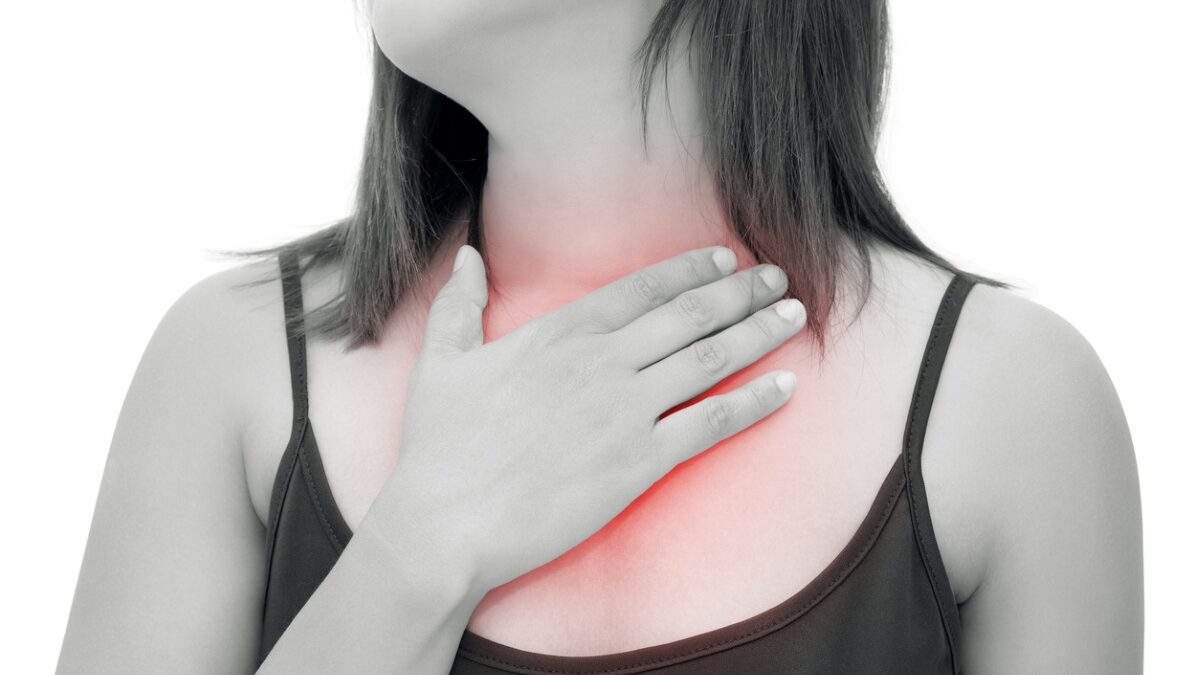
Choking happens when something blocks your airway and keeps air from reaching your lungs. Most of the time, the culprit is food that goes down the wrong way. But small objects, certain medical conditions, and allergic reactions can also block the airway. When this happens, the person cannot breathe well or cough the object out on their own. Choking is one of the leading causes of injury-related death, which is why knowing what to do in those first few seconds matters so much.
It can happen anywhere. You might be having dinner at a restaurant, sitting at your desk at work, or watching your kids eat a snack. One moment things are calm, and the next, someone is struggling to breathe. Below, we break down why choking happens, how to tell mild from severe, and when it is time to call for emergency help.
What causes choking?
Food is the most common cause of choking, especially in young children and older adults. Some foods are riskier than others because of their size, shape, or texture. Common choking hazards include hot dogs, popcorn, grapes, peanut butter, nuts, and hard candy.
But food is not the only cause. Choking can also happen because of:
- Small, inedible objects, which children may place in their mouths
- Certain medical conditions that make swallowing difficult
- Swelling in the throat from a severe allergic reaction
Understanding the cause can help you react faster. A person who suddenly cannot speak while eating is likely choking on food, while swelling from an allergy may come on with hives or trouble breathing even without food involved.
Mild choking: what to do
Mild choking means the airway is only partly blocked. The person can usually still speak, cough, or make sounds. You may hear gagging or forceful coughing. In this case, encourage the person to keep coughing, since a strong cough is often the fastest way to clear the object on its own.
If coughing does not work, you can help by delivering back blows. Have the person lean forward at the waist, then use the heel of your hand to give firm blows between the shoulder blades. Leaning forward lets gravity help pull the object out instead of letting it slip deeper into the airway.
Severe choking: a true emergency
Severe choking means the airway is fully blocked, and this is a life-threatening emergency. The person will not be able to speak, cough, or breathe. Watch for warning signs that the brain is not getting enough oxygen, such as blue-tinged lips or fingertips, clutching at the throat, panic, or loss of consciousness.
Call 911 right away, or have someone nearby call while you begin to help. Have the person bend forward at the waist and deliver firm back blows with the heel of your hand while standing beside them. If the blockage does not clear and the person is still in distress, get to an emergency room without delay. Even after the object comes out, a medical check is smart, since choking can injure the throat or lead to breathing problems later.
When every second counts
Choking can turn serious in just a couple of minutes, so acting quickly is everything. Knowing the difference between mild and severe choking, and staying calm enough to help, can save a life. When in doubt, always call 911 and seek emergency care.
Trusted 24/7 emergency care in Houston and Sugar Land
If you or a loved one experiences a choking emergency or any other urgent medical concern, Life Savers ER is here around the clock. Every location is equipped with board-certified physicians, on-site labs, and advanced imaging to handle life-threatening situations fast, with no wait. Your emergency is our priority. Visit or call one of our 24-hour locations: Willowbrook Emergency Room, Heights Emergency Room, Summerwood Emergency Room, or Mercy ER Sugar Land. You can also check in online before you arrive.