Internal bleeding happens when blood leaks from blood vessels inside the body and collects in tissues, organs, or body cavities. Unlike a visible cut or scrape, there’s no obvious wound to see, which is what makes it so dangerous. Internal bleeding can result from trauma like a car accident or fall, but it can also develop gradually from certain medical conditions or medications.
What Causes Internal Bleeding?
Trauma is one of the most common causes. Car accidents, falls, sports injuries, and blows to the body can damage internal organs or blood vessels without breaking the skin. Even if you feel fine after an accident, internal injuries can develop over the following hours or days.
Blood-thinning medications like warfarin, aspirin, and newer anticoagulants also raise the risk. These medications are important for preventing blood clots, but they can make it easier to bleed internally, even from minor injuries. People taking blood thinners should be especially alert to any new or unusual symptoms after bumps or falls.
Other potential causes include gastrointestinal conditions like ulcers, aneurysms, and certain cancers. Sometimes internal bleeding happens spontaneously in people with clotting disorders.
Symptoms That Are Easy to Miss
Internal bleeding doesn’t always announce itself with dramatic symptoms. In many cases, the signs develop slowly and can be mistaken for something less serious.
Unexplained bruising is one early clue, particularly large bruises that show up without a clear injury, or bruises that seem out of proportion to a minor bump. Dark or purplish bruising on the trunk or abdomen is especially worth paying attention to.
Dizziness and lightheadedness, particularly when standing up, can signal that blood loss is affecting your circulation. You might also notice that your heart feels like it’s racing even when you’re resting, as your heart works harder to compensate for reduced blood volume.
Unusual fatigue that comes on suddenly or worsens over a short period can also be a sign. If you feel significantly more tired than usual without a clear explanation, it’s worth getting checked out.
Changes in Stool and Urine
Your bathroom habits can reveal important information about what’s happening inside your body. Black, tarry stools often indicate bleeding in the upper gastrointestinal tract, such as the stomach or upper intestines. Bright red blood in your stool typically suggests bleeding lower in the digestive tract, like the colon or rectum.
Dark or tea-colored urine can point to bleeding in the kidneys or urinary tract. If you notice blood in your urine, even if it’s just a pinkish tint, that’s a reason to seek medical attention promptly.
Vomiting blood is another clear warning sign. The blood might look bright red, or it might resemble dark coffee grounds, which indicates it has been partially digested.
Abdominal Bleeding Warning Signs
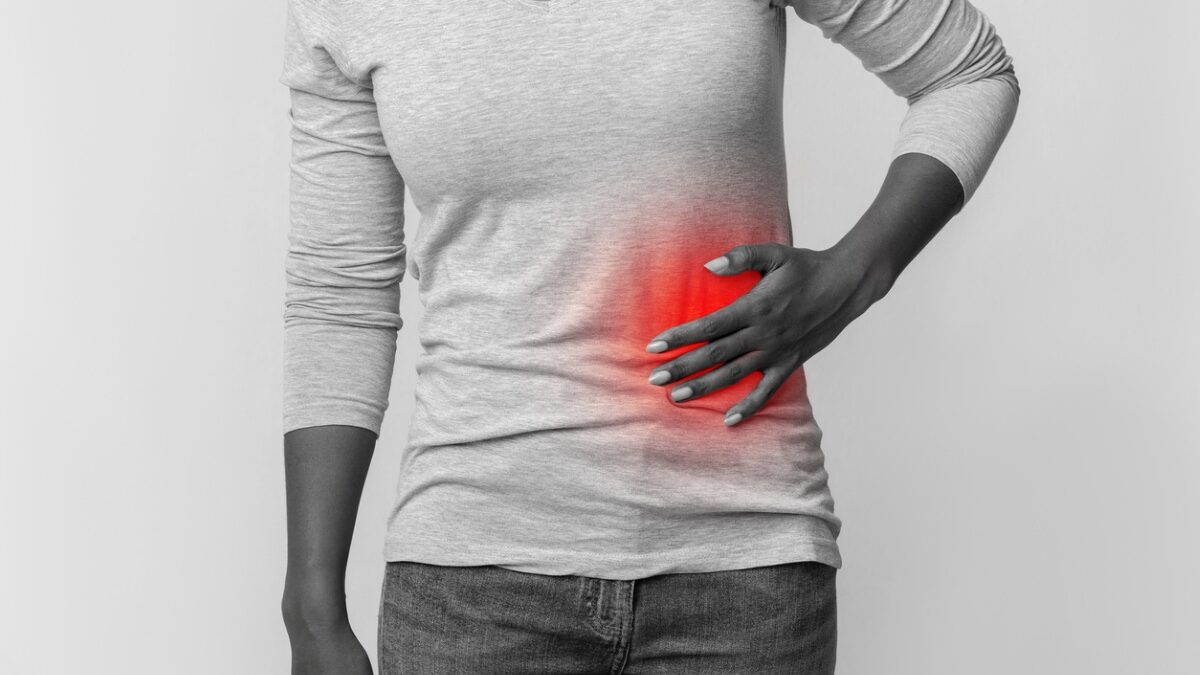
When internal bleeding occurs in the abdomen, it can cause swelling, tightness, or pain that may feel mild at first and gradually worsen. Your abdomen might feel tender to the touch or look visibly distended. Some people describe a feeling of fullness or pressure that seems to come from deep inside.
Severe abdominal pain that comes on suddenly after an injury or accident should always be taken seriously. This type of pain can indicate bleeding from a damaged organ like the spleen or liver, which can become life-threatening without treatment.
Why Internal Bleeding Is Always an Emergency
Internal bleeding won’t stop on its own, the way a small external cut might. Without treatment, even slow internal bleeding can lead to dangerously low blood pressure, organ damage, shock, and potentially death. The longer bleeding goes undetected, the more complicated the treatment becomes.
This is especially true after trauma. People involved in car accidents sometimes decline medical care because they feel okay initially, only to develop serious symptoms hours later as internal bleeding progresses. The same goes for falls, particularly in older adults or anyone on blood thinners.
Recognizing the Signs That Could Save Your Life
Internal bleeding is always a medical emergency. If you or someone you’re with experiences unexplained bruising, sudden dizziness, dark stools, abdominal swelling, or any combination of these symptoms after a fall, accident, or injury, don’t wait to see if it gets better. Life Savers ER is open 24/7 with on-site CT scans, labs, and diagnostic imaging that can quickly identify internal bleeding and get treatment started. Visit any of our Houston locations, or check in online at lifesaverser.com.