
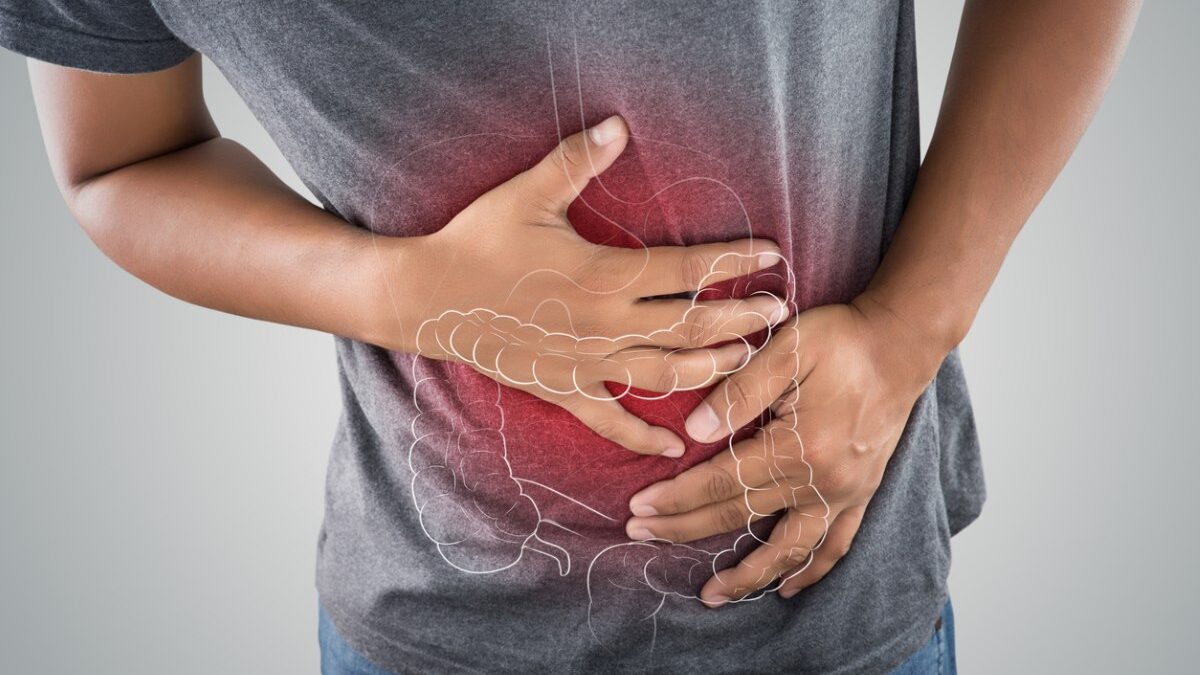
You’re dealing with nausea, cramps, and frequent trips to the bathroom. The big question is whether you picked up a virus or ate something that made you sick. While a stomach bug and food poisoning can feel very similar, they actually have different causes, different timelines, and different warning signs that can help you figure out what’s going on.
What’s Causing Your Symptoms?
A stomach bug, known medically as viral gastroenteritis, is an infection caused by a virus like norovirus or rotavirus. You catch it through close contact with someone who’s infected, or by touching contaminated surfaces and then touching your mouth. It spreads easily in households, schools, and workplaces.
Food poisoning, on the other hand, happens when you eat or drink something contaminated with harmful bacteria, parasites, or toxins. Common culprits include Salmonella, E. coli, and Staphylococcus aureus. Undercooked meat, unwashed produce, and improperly stored leftovers are frequent sources.
How Timing Can Help You Tell the Difference
One of the most helpful clues is how quickly your symptoms started. Food poisoning caused by bacterial toxins (like those from Staph bacteria) can hit within one to six hours of eating contaminated food. You may be able to trace it back to a specific meal.
A stomach bug usually takes longer to show up. Symptoms typically develop 12 to 48 hours after you’ve been exposed to the virus. You might not be able to pinpoint exactly when or where you picked it up, especially if no one around you seemed sick at the time.
Comparing the Symptoms
Both conditions cause nausea, vomiting, diarrhea, and stomach cramps. But there are some subtle differences worth paying attention to.
With food poisoning, vomiting and diarrhea tend to come on strong and fast. Fever is less common with toxin-based food poisoning, though bacterial infections like Salmonella can cause a higher fever. You may also notice that other people who ate the same food are getting sick, too.
A stomach bug often starts with nausea and a general feeling of being unwell before vomiting and diarrhea kick in. Low-grade fever, body aches, and headaches are more common with viral gastroenteritis. These symptoms can feel a lot like a mild flu.
How Long Will My Symptoms Last?
Most cases of food poisoning resolve within one to three days, depending on the type of bacteria or toxin involved. Some bacterial infections, like those caused by E. coli, can last longer and may require medical treatment.
A stomach bug usually lasts one to three days as well, though norovirus symptoms can linger for up to five days in some people. Both conditions tend to clear up on their own, but recovery depends on staying hydrated and getting rest.
When Dehydration Becomes Dangerous
The biggest risk with both conditions is dehydration, especially for young children, older adults, and people with weakened immune systems. When you’re losing fluids through vomiting and diarrhea, your body can become dehydrated faster than you might expect.
Signs of dehydration to watch for include very dark urine or not urinating for several hours, dizziness when standing up, a dry mouth and lips, and feeling extremely fatigued. For young children, look for fewer wet diapers than usual, crying without tears, and unusual sleepiness.
Sip small amounts of water, clear broth, or an electrolyte drink frequently. Avoid gulping large amounts at once, as this can trigger more vomiting.
When It’s Time To Head to the ER
Most stomach bugs and food poisoning cases can be managed at home. But certain symptoms mean you need emergency care right away. Head to the ER if you experience a fever above 102°F that won’t come down, bloody vomit or bloody diarrhea, severe abdominal pain that doesn’t let up, or signs of dehydration that aren’t improving with fluids. You should also seek immediate care if symptoms last beyond three days without improvement, or if you can’t keep any fluids down for more than 12 hours.
People who are pregnant, very young, elderly, or immunocompromised should have a lower threshold for seeking emergency care, as complications can develop more quickly in these groups. Our team also provides dedicated pediatric emergency care for children experiencing severe symptoms.
Your Stomach Deserves Quick Answers
Whether it turns out to be a virus or something you ate, you don’t have to suffer at home. If your symptoms are severe or you’re worried about dehydration, Life Savers ER is open 24/7 with no wait times, on-site labs and diagnostic imaging to get to the bottom of what’s making you sick. Walk in or check in online at lifesaverser.com any time, day or night.