

Injuries can happen during daily activities, travel, sports, or work. When this occurs, knowing where to seek care is important. Many people look for a trauma emergency clinic when an injury requires prompt medical attention. Understanding the difference between an emergency room and urgent care helps individuals choose the right care during unexpected situations. Some injuries need specialized trauma emergency care, while others can be treated in urgent care settings. Residents across Houston, including areas such as The Heights, Summerwood, Willowbrook, and Sugar Land, can access medical services that support timely evaluation and patient safety.
Understanding Trauma Emergency Clinics
A trauma emergency clinic evaluates injuries that require immediate medical attention. These facilities operate continuously and include diagnostic technology that helps physicians assess injuries quickly. Emergency physicians review symptoms, examine the injured area, and determine the most appropriate treatment plan. Their experience allows them to manage injuries while supporting patient comfort and safety. Medical teams also communicate clearly with patients, explaining the evaluation process and guiding them through each step of care.
Injuries That May Require Trauma Emergency Care
Certain injuries benefit from immediate evaluation in an emergency setting. Recognizing these situations allows patients to receive prompt treatment and begin recovery without delay.
Common reasons people seek trauma emergency care include:
- Deep cuts requiring careful medical attention
- Bone injuries affecting movement or stability
- Head injuries caused by falls or impact
- Burns that require clinical evaluation
- Severe swelling or pain after accidents
- Sports-related injuries affecting joints or muscles
Prompt medical evaluation helps physicians identify the severity of the injury and provide treatment designed to support recovery.
How Emergency Physicians Evaluate Injuries
When patients arrive at an emergency department, physicians begin with a structured assessment process. This evaluation helps determine the cause and severity of the injury.
The process may include:
- Reviewing how the injury occurred
- Checking vital signs and overall condition
- Performing imaging tests when needed
- Developing a treatment plan for stabilization
This organized approach allows emergency teams to respond efficiently and begin treatment that promotes healing and comfort.
Understanding Urgent Care for Minor Injuries
Urgent care clinics treat injuries that need medical attention but remain manageable without advanced emergency resources. These facilities support patients experiencing mild discomfort or minor injuries. Visits usually involve brief examinations and simple treatment plans. Physicians review symptoms and recommend medications or basic procedures when appropriate. Understanding the severity of symptoms helps determine whether urgent care, health emergencies, or emergency evaluation is the most suitable option.
Common Injuries Treated at Urgent Care
Urgent care clinics manage many minor injuries that benefit from quick medical evaluation. These conditions typically do not require advanced trauma services.
Examples of injuries treated in urgent care include:
- Minor cuts or small skin wounds
- Mild sprains following physical activity
- Minor burns that need evaluation
- Mild muscle discomfort
- Small areas of swelling after minor accidents
Physicians review these injuries carefully and recommend treatment that supports healing and comfort.
Benefits of Visiting Urgent Care for Minor Injuries
Urgent care centers offer convenient medical evaluation for manageable injuries. These facilities provide timely treatment while allowing emergency departments to focus on more serious conditions.
Benefits of urgent care visits include:
- Quick assessment of mild injuries
- Access to trained healthcare professionals
- Guidance on recovery and comfort
- Efficient treatment plans that support healing
Choosing urgent care for minor injuries helps ensure patients receive appropriate medical attention when needed.
Signs That an Injury Requires Emergency Evaluation
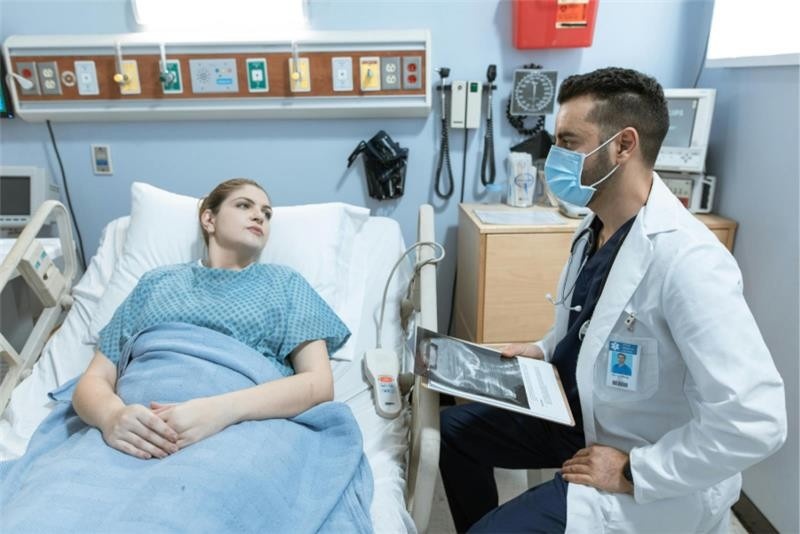
Certain injuries involve symptoms that require specialized medical attention. In these cases, visiting a trauma emergency clinic allows physicians to evaluate the injury quickly and provide appropriate treatment. Emergency physicians focus on stabilizing the injury while identifying the underlying cause of symptoms. Their experience allows them to manage a wide range of trauma situations while maintaining patient comfort throughout the evaluation process. Recognizing these warning signs helps individuals respond quickly when injuries occur.
Symptoms That Suggest Emergency Care
Some injury symptoms indicate the need for immediate medical attention. Understanding these signs helps patients seek appropriate care without delay.
Symptoms that may require emergency evaluation include:
- Severe pain after an accident
- Difficulty moving a limb or joint
- Persistent swelling around the injured area
- Head discomfort following an impact
- Burns affecting sensitive skin areas
Emergency physicians carefully assess these symptoms and begin treatment designed to stabilize the condition.
How Trauma Emergency Care Supports Recovery
Trauma emergency care focuses on identifying injuries quickly and beginning treatment that supports healing. Physicians develop treatment plans based on the patient’s condition and symptoms.
The treatment process may involve:
- Stabilizing the injured area
- Performing imaging tests when needed
- Providing medications for comfort
- Creating a recovery plan for follow-up care
This structured approach helps patients begin the healing process while ensuring their safety and comfort.
Preparing for a Visit to a Trauma Emergency Clinic
Being prepared for a medical visit can make the evaluation process smoother and more comfortable. When patients arrive with helpful information, physicians can begin the assessment quickly and provide appropriate trauma emergency care. Understanding what to expect during a visit also helps patients feel more confident during unexpected medical situations.
Information That Helps During Emergency Visits
Providing clear information helps emergency teams understand the injury and respond effectively. Simple preparation allows physicians to evaluate symptoms without delays.
Helpful information may include:
- Personal identification and contact details
- A list of medications currently being used
- Details about allergies or health history
- Information about how the injury occurred
- Contact information for a family member or caregiver
Sharing these details helps physicians provide accurate treatment while ensuring patient safety.
What Happens During a Trauma Evaluation
Emergency physicians follow a structured process when assessing injuries. This approach allows them to understand the severity of symptoms and determine the most appropriate treatment plan.
During the evaluation process, patients may experience:
- Initial review of symptoms and injury details
- Monitoring of vital signs and physical condition
- Diagnostic imaging when necessary
- Treatment designed to stabilize the injury
This organized evaluation helps ensure patients receive thorough medical attention while supporting recovery. Contact Life Savers ER for more information about their trauma emergency clinic and services for health emergencies.
Conclusion
Understanding when to visit a trauma emergency room or urgent care clinic helps individuals make confident decisions during injury situations. Trauma emergency clinics provide immediate evaluation and advanced care for injuries that require rapid attention. Urgent care clinics support patients experiencing minor injuries that benefit from timely treatment. Residents across the Houston area have access to medical services designed to support safety, comfort, and recovery. Recognizing injury symptoms and seeking the appropriate level of care helps ensure timely treatment and promotes a smooth healing process.
Frequently Asked Questions
1. When should I visit a trauma emergency clinic?
A trauma emergency clinic is appropriate when injuries involve severe pain, head impact, burns, or difficulty moving a limb. Emergency physicians can evaluate the injury and begin treatment quickly.
2. Can urgent care treat injuries?
Urgent care clinics can treat minor injuries such as small cuts, mild sprains, or minor burns. Physicians provide treatment plans designed to support healing.
3. What does trauma emergency care involve?
Trauma emergency care includes rapid medical evaluation, diagnostic testing, and treatment designed to stabilize injuries and support recovery.
4. How do physicians evaluate injuries in an emergency department?
Physicians review symptoms, assess vital signs, examine the injured area, and perform imaging studies when needed to determine the most appropriate treatment plan.
5. Why is early medical evaluation important after an injury?
Early medical attention allows physicians to identify the cause of symptoms quickly and begin treatment that supports safe and effective recovery.