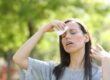

Seasonal allergies are one of the most common reasons people feel miserable in the Spring. Pollen from trees, grasses, and weeds triggers symptoms like sneezing, congestion, itchy eyes, and coughing in millions of people every year. Most of the time, these symptoms are manageable at home with over-the-counter medications and basic avoidance strategies.
The problem is that allergy symptoms can look a lot like other conditions, including respiratory infections, asthma flare-ups, and severe allergic reactions. In young children and people with asthma or Chronic Obstructive Pulmonary Disease (COPD), what starts as “just allergies” can sometimes become a medical emergency.
How to Tell Allergies From a Cold
Allergies and colds share several symptoms, but a few patterns can help you tell them apart.
Allergy symptoms often include itchy or watery eyes, a runny nose, sneezing fits, and symptoms that persist for weeks or return with pollen exposure. Cold symptoms are more likely to include fever, body aches, thicker mucus as the illness progresses, and a timeline that resolves within a week or two.
Fever is a helpful clue. It is not typical with seasonal allergies but is common with infections. If your symptoms are mild, predictable, and follow the same pattern every spring, home allergy care is usually a reasonable first step.
When Allergies Become More Than a Nuisance
Seasonal allergies are not usually dangerous on their own, but they can trigger problems that require medical evaluation. This is especially true when they lead to significant breathing difficulty, asthma flare-ups that do not respond to a rescue inhaler, severe facial pain with high fever suggesting a sinus infection, dehydration in children who cannot keep fluids down, or a severe allergic reaction affecting breathing or circulation.
The highest-risk groups include children with asthma, adults with asthma or COPD, people with a history of severe allergic reactions, and very young children who can worsen quickly. For families with young children, having access to pediatric emergency care is especially important during allergy season.
Asthma and Spring Allergies
Pollen and other allergens can irritate the airways and trigger asthma symptoms like coughing, chest tightness, wheezing, and shortness of breath. Sometimes a flare starts as a mild cough or slight tightness, and then escalates. If a rescue inhaler is not helping, or symptoms are getting worse over a short period of time, emergency evaluation is necessary. Severe asthma attacks that do not respond to a patient’s usual medication require immediate medical attention.
Signs You Should Go to the ER
If you or your child has allergy symptoms along with any of the following, seek emergency care right away:
- Trouble breathing, fast breathing, or visible effort to breathe (pulling in around the ribs or neck)
- Inability to speak in full sentences due to shortness of breath
- Wheezing that is getting worse, especially with known asthma
- Lips or fingernails that appear blue, pale, or gray
- Chest pain or chest pressure
- Fainting, severe dizziness, or confusion
- Severe swelling of the face, lips, tongue, or throat
- Hives combined with vomiting, wheezing, or breathing difficulty
- A child who is unusually sleepy, hard to wake, or not interacting normally
These last two points can signal anaphylaxis or a severe asthma episode, both of which are life-threatening and require immediate treatment.
Anaphylaxis
Anaphylaxis is a severe, potentially life-threatening allergic reaction. Most seasonal allergies do not cause anaphylaxis, but spring activities can increase exposure to other triggers like insect stings, foods at outdoor gatherings, or new medications. Symptoms of anaphylaxis include throat tightness or swelling, widespread hives, vomiting, dizziness, and difficulty breathing. If someone uses epinephrine for a severe reaction, they still need to go to the ER for monitoring and further care.
What to Expect at the ER
When Spring symptoms feel severe, the ER team focuses first on breathing, oxygen levels, hydration, and ruling out dangerous causes. Depending on symptoms, your evaluation may include oxygen monitoring, a lung exam, testing for infection, chest imaging through on-site lab and imaging services, or an assessment for dehydration. If chest symptoms raise concern for a cardiac issue, an electrocardiogram (EKG) may also be performed.
Treatment depends on the cause but can include breathing treatments and nebulized medications for asthma, steroids for significant airway inflammation, IV fluids for dehydration, and medications for severe allergic reactions with close monitoring.
Prevention Tips That Help
Spring allergies are not fully avoidable, but a few habits can reduce flare-ups and lower the risk of a serious episode. Check pollen forecasts and limit outdoor time on days when the pollen count is high. Shower and change clothes after being outside to remove pollen from skin and hair. Keep windows closed during peak pollen season and use indoor air filtration when available. Take allergy medications as directed, especially if Spring is a known trigger. If you have asthma, keep your rescue inhaler accessible and current, and follow your asthma action plan.
For children, starting prevention steps early in the season can reduce nighttime coughing, missed school days, and the chance of a bigger breathing episode.
When To Seek Emergency Care For Allergy Symptoms
If symptoms are mild and follow your usual Spring pattern, home care may be enough. But if you or your child is struggling to breathe, not responding to asthma medication, or showing signs of a severe allergic reaction, it is safer to be evaluated immediately.
At Life Savers Emergency Room in Houston, we are open 24/7 with no wait times. We provide on-site diagnostics and emergency treatment for asthma flare-ups, severe allergic reactions, and urgent respiratory symptoms so you can get answers and feel safer fast. Visit one of our Houston-area locations today.