
Recognizing Medical Emergencies
Medical emergencies can happen suddenly and without warning. While no one ever wants to face a life-threatening situation, knowing what to do and where to go can make a critical difference. Recognizing the signs of a serious emergency helps you stay calm, act quickly, and ensure you or your loved one gets the right care as fast as possible.
Quick action is essential in emergencies. Knowing what symptoms require immediate ER care can help save lives. This guide covers four of the most common emergencies—bleeding, breathing difficulties, heart attacks, and collapse—and explains when they require a trip to the emergency room.
Severe Bleeding
Minor cuts and scrapes are usually managed at home, but serious bleeding or deep wounds need emergency care. However, heavy bleeding or a deep wound can be a medical emergency that requires immediate professional care.
The first step in managing significant bleeding is to apply firm, direct pressure to the wound with a clean cloth or bandage. This can slow or stop the bleeding while you decide on next steps. But not all bleeding can be controlled with first aid.
You should go to the ER if:
- The wound continues bleeding heavily after a few minutes of direct pressure
- An object is deeply embedded in the wound (do not try to remove large objects on your own)
- The injury exposes tissue, muscle, or bone
- The injured person becomes pale, dizzy, or weak, which could signal internal bleeding
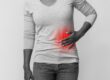
Internal bleeding is particularly dangerous because it cannot be seen. If you notice symptoms such as fainting, confusion, rapid heartbeat, or abdominal pain after an accident, seek emergency care immediately.
Breathing Difficulties
Any difficulty with breathing is considered an emergency. Breathing problems can be caused by many conditions, including asthma attacks, pneumonia, allergic reactions, chest injuries, or heart problems.
Warning signs include breathlessness, gasping for air, difficulty speaking in full sentences, wheezing, or bluish-colored lips or fingertips. A person may also appear sweaty, anxious, or unusually pale.
If someone is struggling to breathe, call 911 or take them to the nearest emergency room right away. Do not wait to see if the problem improves on its own, as breathing difficulties can worsen quickly and become life-threatening.
Heart Attack
Heart attacks remain one of the leading causes of death in the United States. Recognizing the early signs can save a life, since many people delay care because they are unsure if their symptoms are serious.
Classic signs include sudden chest pain that feels like pressure, squeezing, or heaviness. Some people describe it as a stabbing or burning pain. Other warning signs include shortness of breath, dizziness, sweating, nausea, or pain that radiates into the arms, back, jaw, or neck.
Not every heart attack looks the same. Some people, especially women, older adults, and individuals with diabetes, may have subtle symptoms such as unusual fatigue, indigestion, or mild chest discomfort.
If you suspect a heart attack, do not ignore the symptoms. Call 911 or go to the emergency room immediately. Prompt treatment restores blood flow to the heart and reduces the risk of permanent damage.
Collapse or Loss of Consciousness
Seeing someone suddenly collapse is frightening, and it can be hard to know what caused it. Collapse may result from dehydration, low blood sugar, heart rhythm problems, seizures, or stroke. Some causes are mild, while others are life-threatening.
If the person is unconscious and not breathing, call 911 immediately and begin CPR if you are trained to do so. If they are unconscious but breathing normally, place them on their side in the recovery position while waiting for help. This keeps their airway open and reduces the risk of choking.
Even if the person regains consciousness quickly, a medical evaluation is necessary. Collapse can indicate a serious underlying condition that needs urgent attention.
Taking Action in an Emergency
In any of these situations, acting quickly can make a lifesaving difference. Calling 911 is the right choice when someone is unstable or unable to get to the hospital safely. If it is safe to transport the person, going directly to the nearest emergency room ensures they get immediate access to testing, diagnosis, and treatment.
At Life Savers ER, our team is prepared around the clock to handle medical emergencies of all kinds. With on-site imaging, lab services, and experienced emergency physicians, patients receive fast, effective care without the delays often experienced in larger hospitals.
Be Prepared and Act Quickly
No one plans for an emergency, but knowing how to respond when it happens can make all the difference. Recognizing the warning signs of severe bleeding, breathing problems, chest pain, or sudden collapse helps you take action without hesitation. Quick decisions can save lives.
Life Savers ER is open 24/7 with no wait times. Our compassionate team is here to provide immediate care for emergencies big or small, so you can focus on getting the help you need when every second counts.